



Cocaine Effects
How does cocaine produce its effects?
A great amount of research has been devoted to understanding the way cocaine produces its pleasurable effects, and the reasons it is so addictive. One mechanism is through its effects on structures deep in the brain. Scientists have discovered regions within the brain that, when stimulated, produce feelings of pleasure. One neural system that appears to be most affected by cocaine originates in a region, located deep within the brain, called the ventral tegmental area (VTA). Nerve cells originating in the VTA extend to the region of the brain known as the nucleus accumbens, one of the brain's key pleasure centers. In studies using animals, for example, all types of pleasurable stimuli, such as food, water, sex, and many drugs of abuse, cause increased activity in the nucleus accumbens.
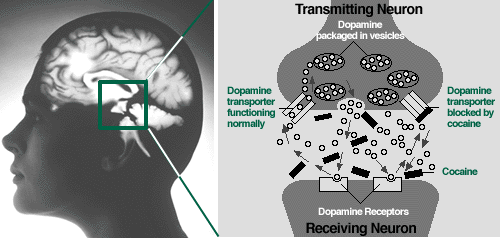
Cocaine in the brain - In the normal communication process, dopamine is released by a neuron into the synapse, where it can bind with dopamine receptors on neighboring neurons. Normally dopamine is then recycled back into the transmitting neuron by a specialized protein called the dopamine transporter. If cocaine is present, it attaches to the dopamine transporter and blocks the normal recycling process, resulting in a buildup of dopamine in the synapse which contributes to the pleasurable effects of cocaine.
Researchers have discovered that, when a pleasurable event is occurring, it is accompanied by a large increase in the amounts of dopamine released in the nucleus accumbens by neurons originating in the VTA. In the normal communication process, dopamine is released by a neuron into the synapse (the small gap between two neurons), where it binds with specialized proteins (called dopamine receptors) on the neighboring neuron, thereby sending a signal to that neuron. Drugs of abuse are able to interfere with this normal communication process. For example, scientists have discovered that cocaine blocks the removal of dopamine from the synapse, resulting in an accumulation of dopamine. This buildup of dopamine causes continuous stimulation of receiving neurons, probably resulting in the euphoria commonly reported by cocaine abusers.
As cocaine abuse continues, tolerance often develops. This means that higher doses and more frequent use of cocaine are required for the brain to register the same level of pleasure experienced during initial use. Recent studies have shown that, during periods of abstinence from cocaine use, the memory of the euphoria associated with cocaine use, or mere exposure to cues associated with drug use, can trigger tremendous craving and relapse to drug use, even after long periods of abstinence.
What are the short-term effects of cocaine use?
Cocaine's effects appear almost immediately after a single dose, and disappear within a few minutes or hours. Taken in small amounts (up to 100 mg), cocaine usually makes the user feel euphoric, energetic, talkative, and mentally alert, especially to the sensations of sight, sound, and touch. It can also temporarily decrease the need for food and sleep. Some users find that the drug helps them to perform simple physical and intellectual tasks more quickly, while others can experience the opposite effect.
Short-term effects of cocaine:
- Increased energy
- Decreased appetite
- Mental alertness
- Increased heart rate
- Increased blood pressure
- Constricted blood vessels
- Increased temperature
- Dilated pupils
The duration of cocaine's immediate euphoric effects depends upon the route of administration. The faster the absorption, the more intense the high. Also, the faster the absorption, the shorter the duration of action. The high from snorting is relatively slow in onset, and may last 15 to 30 minutes, while that from smoking may last 5 to 10 minutes.
The short-term physiological effects of cocaine include constricted blood vessels; dilated pupils; and increased temperature, heart rate, and blood pressure. Large amounts (several hundred milligrams or more) intensify the user's high, but may also lead to bizarre, erratic, and violent behavior. These users may experience tremors, vertigo, muscle twitches, paranoia, or, with repeated doses, a toxic reaction closely resembling amphetamine poisoning. Some users of cocaine report feelings of restlessness, irritability, and anxiety. In rare instances, sudden death can occur on the first use of cocaine or unexpectedly thereafter. Cocaine-related deaths are often a result of cardiac arrest or seizures followed by respiratory arrest.
What are the long-term effects of cocaine use?
Cocaine is a powerfully addictive drug. Once having tried cocaine, an individual may have difficulty predicting or controlling the extent to which he or she will continue to use the drug. Cocaine's stimulant and addictive effects are thought to be primarily a result of its ability to inhibit the reabsorption of dopamine by nerve cells. Dopamine is released as part of the brain's reward system, and is either directly or indirectly involved in the addictive properties of every major drug of abuse.
Long-term effects of cocaine Addiction:
- Irritability
- Mood disturbances
- Restlessness
- Paranoia
- Auditory hallucinations
An appreciable tolerance to cocaine's high may develop, with many addicts reporting that they seek but fail to achieve as much pleasure as they did from their first experience. Some users will frequently increase their doses to intensify and prolong the euphoric effects. While tolerance to the high can occur, users can also become more sensitive (sensitization) to cocaine's anesthetic and convulsant effects, without increasing the dose taken. This increased sensitivity may explain some deaths occurring after apparently low doses of cocaine.
Use of cocaine in a binge, during which the drug is taken repeatedly and at increasingly high doses, leads to a state of increasing irritability, restlessness, and paranoia. This may result in a full-blown paranoid psychosis, in which the individual loses touch with reality and experiences auditory hallucinations.
Medical consequences of cocaine abuse:
- Cardiovascular effects
- disturbances in heart
- rhythm heart attacks
- Respiratory effects
- chest pain
- respiratory failure
- Neurological effects
- strokes
- seizures
- headaches
- Gastrointestinal effects
- abdominal pain
- nausea
Different routes of cocaine administration can produce different adverse effects. Regularly snorting cocaine, for example, can lead to loss of sense of smell, nosebleeds, problems with swallowing, hoarseness, and an overall irritation of the nasal septum, which can lead to a chronically inflamed, runny nose. Ingested cocaine can cause severe bowel gangrene, due to reduced blood flow. And, persons who inject cocaine have puncture marks and "tracks," most commonly in their forearms. Intravenous cocaine users may also experience an allergic reaction, either to the drug, or to some additive in street cocaine, which can result, in severe cases, in death. Because cocaine has a tendency to decrease food intake, many chronic cocaine users lose their appetites and can experience significant weight loss and malnourishment.
Research has revealed a potentially dangerous interaction between cocaine and alcohol. Taken in combination, the two drugs are converted by the body to cocaethylene. Cocaethylene has a longer duration of action in the brain and is more toxic than either drug alone. While more research needs to be done, it is noteworthy that the mixture of cocaine and alcohol is the most common two-drug combination that results in drug-related death.