



Cocaine Addiction
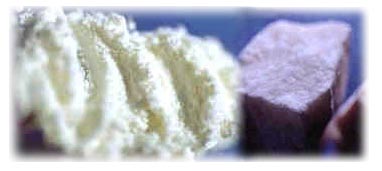 Cocaine
addiction can occur very quickly and be very difficult to break. Animal studies
have shown that animals will work very hard (press a bar over 10,000 times)
for a single injection of cocaine, choose cocaine over food and water, and take
cocaine even when this behavior is punished. Animals must have their access
to cocaine limited in order not to take toxic or even lethal doses. People addicted
to cocaine behave similarly. They will go to great lengths to get cocaine and
continue to take it even when it hurts their school or job performance and their
relationships with loved ones.
Cocaine
addiction can occur very quickly and be very difficult to break. Animal studies
have shown that animals will work very hard (press a bar over 10,000 times)
for a single injection of cocaine, choose cocaine over food and water, and take
cocaine even when this behavior is punished. Animals must have their access
to cocaine limited in order not to take toxic or even lethal doses. People addicted
to cocaine behave similarly. They will go to great lengths to get cocaine and
continue to take it even when it hurts their school or job performance and their
relationships with loved ones.
Attempts to stop using the drugs can fail simply because the resulting depression can be overwhelming, causing the addict to use more cocaine in an attempt to overcome his depression. This overpowering addiction can cause the addict to do anything to get cocaine. Recent studies on cocaine and addiction have shown that, during periods of abstinence from cocaine use, the memory of the euphoria associated with cocaine, or mere exposure to cues associated with cocaine use, can trigger tremendous craving and relapse to cocaine, even after long periods of abstinence.
Researchers have found that cocaine stimulates the brain's reward system inducing an even greater feeling of pleasure than natural functions. In turn, its influence on the reward circuit can lead an user to bypass survival activities and repeat drug use. Chronic cocaine use can lead to a cocaine addiction and in some cases damage the brain and other organs. An addict will continue to use cocaine even when faced with adverse consequences. Cocaine and crack cocaine continue to be the most frequently mentioned illicit substance in U.S. emergency departments (ED), present in 30% of ED drug episodes during 2001. From 2000 to 2001, the number of ED cocaine mentions increased ten percent from 174,881 in 2000 to 193,034 in 2001.
"Crack" is the street name given to cocaine that has been processed from cocaine hydrochloride to a free base for smoking. Crack cocaine looks like white to tan pellets or chunks that resemble rock salt or soap. Rather than requiring the more volatile method of processing cocaine using ether, crack cocaine is processed with ammonia or sodium bicarbonate (baking soda) and water and heated to remove the hydrochloride, thus producing a form of cocaine that can be smoked. The term "crack" refers to the crackling sound heard when the mixture is smoked (heated), presumably from the sodium bicarbonate. Research studies regarding crack and addiction, has shown crack to have more addictive properties than cocaine. This is due to its chemical makeup and method of use.